
A homeowner should not approve demolition before knowing what the wall does. The better decision loop is simple: identify the wall’s jobs, test the consequences, price the whole package, then decide whether the open plan is still worth it.
Should a homeowner remove an interior wall during architectural design planning?
A homeowner should remove an interior wall only when the gained space is more valuable than the structural, acoustic, cooling, permit, finish, and budget control the wall currently provides.
The subject wall should be judged by function, not by style preference
The common mistake is treating openness as a design virtue by itself. In practical architectural design, a wall is not just a visual divider. A kitchen-living wall may carry switches, outlets, a return grille, plumbing chases, cabinets, trim breaks, storage, and a clean furniture edge.
The first diagnostic is not “Will this look modern?” It is: what housing type is this, which jurisdiction controls the work, where does the wall sit on the plan, which way do joists or roof members span, and what services pass through it?
Sound control belongs in the first conversation. If acoustic assemblies are being compared, ASTM E90-23 is the laboratory test method for measuring airborne sound transmission loss through partitions and building elements.
An open layout is sensible when the gained space outweighs the lost control
An open layout earns its cost when the benefit is specific: better daylight, safer circulation, accessible movement, family cooking, or a living area that genuinely supports entertaining. Openness is weaker when the house also needs quiet bedrooms, remote work, pet separation, storage walls, or multigenerational privacy.
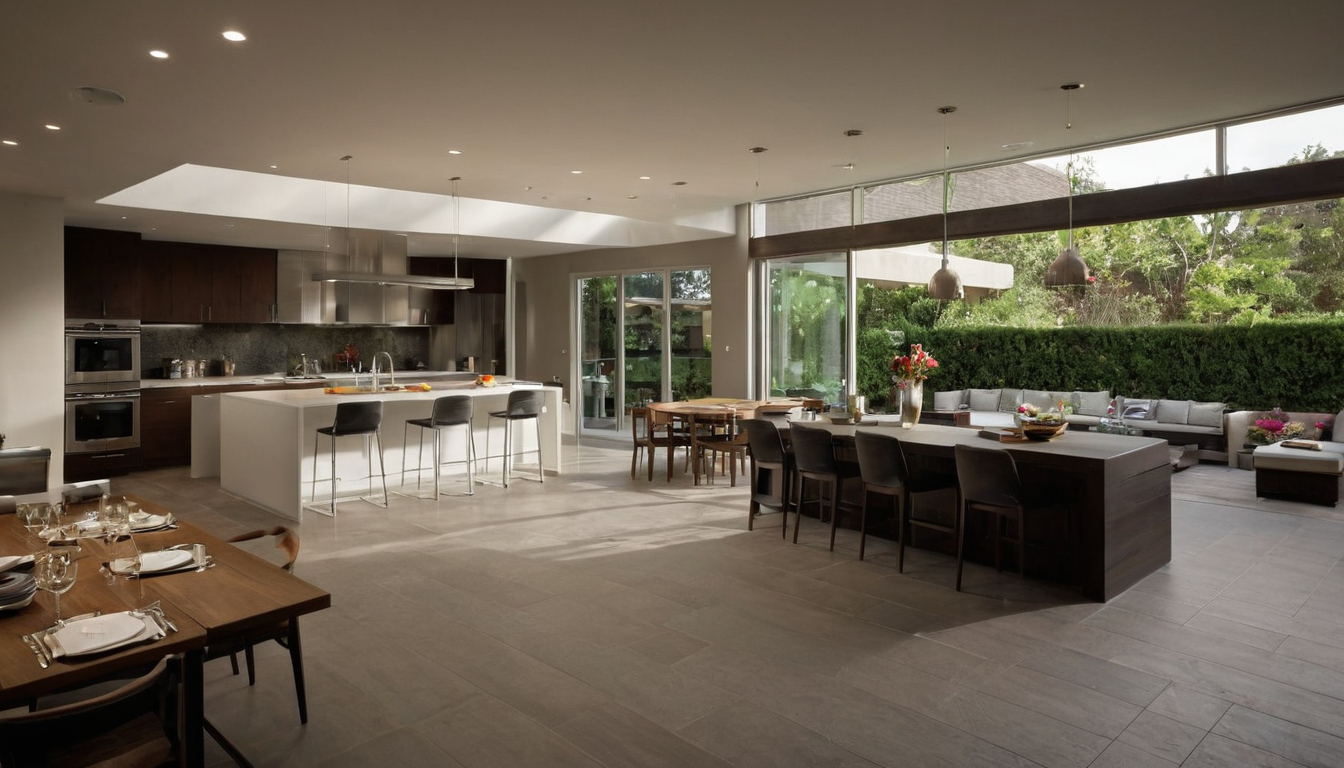
Should a homeowner remove an interior wall during architectural design planning shown with floor, wall, and fixture relationships visible.
Cooling and ductwork should be tested early. In ducted homes, ACCA Manual D is the residential duct design procedure for sizing and designing duct systems, which matters when wall removal changes supply grilles, returns, or airflow balance. Older homes add another constraint: in covered pre-1978 housing, renovation firms that disturb painted surfaces must be EPA-certified and follow lead-safe practices under the EPA Renovation, Repair and Painting Program.
This is why early planning matters as much here as it does when planning a new home with structural decisions in mind.
Is the interior wall load-bearing or part of the house structure?
An interior wall may be load-bearing even when it is not an exterior wall, so the design team should trace the load path before treating demolition as cosmetic work.
A structural engineer should trace the load path before demolition
A structural review starts with evidence, not tapping plaster or trusting wall thickness. The homeowner or designer should collect available framing plans, roof plans, beam schedules, foundation information, and any record of past alterations.
- Check framing direction: joists, rafters, or trusses bearing over or near the wall raise the risk.
- Check stacked loads: walls, posts, masonry, tubs, beams, or heavy built-ins above may concentrate force downward.
- Check access: attic, basement, crawlspace, and exploratory openings often decide how confidently the structure can be read.
For demolition work covered by OSHA construction standards, 29 CFR 1926.850(a) requires an engineering survey by a competent person before demolition begins to assess framing, floors, walls, and the possibility of unplanned collapse.
A beam needs bearing, connections, and temporary support, not just size
A replacement beam is a system. Steel, LVL, glulam, reinforced concrete, or another engineered member needs bearing points, posts, connections, lateral restraint, temporary shoring, and inspections where required. A neat opening between kitchen and living room may also need a verified footing, slab thickening, or crawlspace support below a new post.
The useful question is not only whether the wall can come out. It is what drawings, calculations, inspections, and approvals must exist before anyone prices demolition.
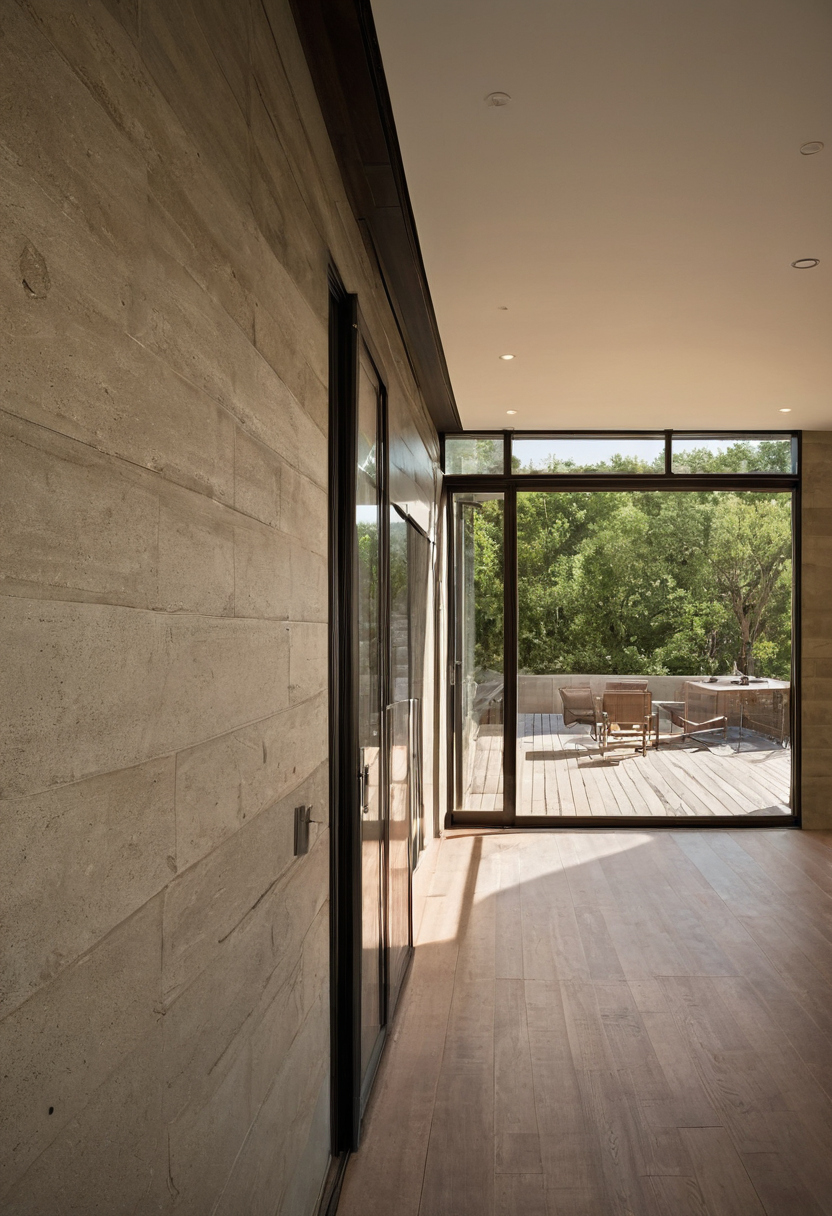
Is the interior wall load-bearing or part of the house structure shown with floor, wall, and fixture relationships visible.
What permits and approvals are required before removing an interior wall?
Permits and owner approvals should be confirmed before pricing, because wall removal can affect structure, fire separation, electrical work, plumbing, HVAC, and shared building property.
Permit drawings should show the existing condition and proposed structural change
Permit review works best when the drawings explain what exists, what will be removed, and how the house will remain supported and code compliant after the opening is made.
- Existing plan: wall location, adjacent rooms, stairs, openings, ceiling changes, and visible service runs.
- Demolition plan: the portion removed, protection, temporary support, and finishes to be cut back.
- Proposed plan: new opening, posts, beam location, revised circulation, alarms, and exit paths.
- Structural details: beam specification, bearing points, connections, post supports, and footing notes.
- MEP notes: electrical, plumbing, gas, duct, sprinkler, low-voltage, insulation, and firestopping work.
Condominiums and townhouses need extra approval checks
Shared buildings can control work inside a private unit because one interior wall may connect to shared structure, party walls, fire separation, plumbing stacks, or ceiling assemblies. The owner may need management approval, an engineer’s letter, contractor insurance, debris rules, elevator booking, restricted working hours, and final sign-off before a local permit is enough.
Detached houses can also carry extra conditions in historic districts, leasehold properties, and homeowners associations. Confirm ownership approval, confirm permit scope, then price demolition.
How does removing an interior wall affect acoustics, privacy, and furniture planning?
Removing an interior wall often improves sightlines while weakening acoustic separation, privacy, storage, and furniture placement.
The subject wall may be the main sound break in the floor plan
A kitchen-living wall may be limiting appliance noise, cooking clatter, television sound, pets, and evening conversation. A bedroom-living or office-living wall may be protecting sleep and video calls from the public side of the plan.
Existing construction matters. A basic stud wall with gypsum board behaves differently from masonry, insulated framing, glazed openings, or a wall with a hollow-core door. If tested acoustic products are being compared, ASTM E413-22 is the classification standard used for rating sound insulation, including sound transmission class, or STC.
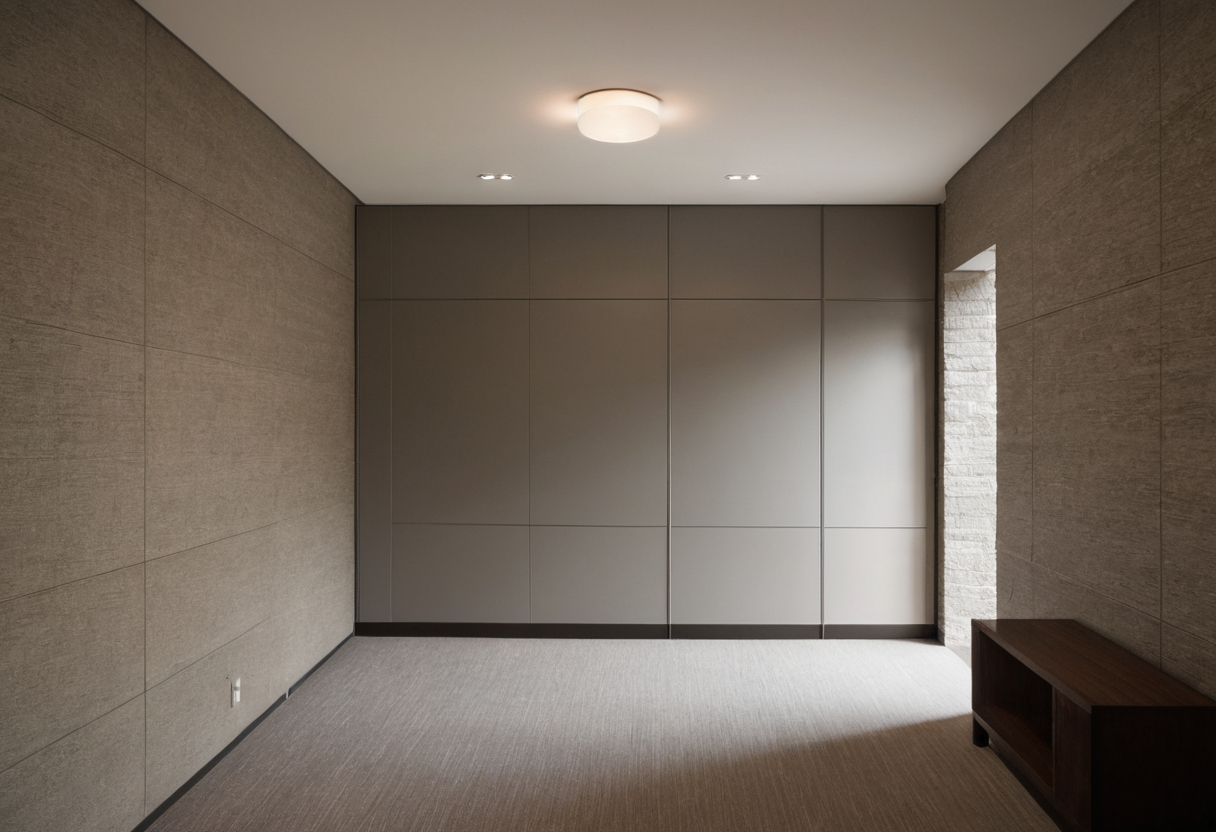
How does removing an interior wall affect acoustics, privacy, and furniture planning shown with finish, fixture, and clearance relationships visible.
Hard finishes make the loss louder. Timber, tile, polished concrete, and large glass areas reflect sound, while rugs, curtains, upholstered furniture, bookshelves, and textured panels help reduce echo.
Interior design replacements should restore control without rebuilding the wall
Good open-plan interior design replaces the removed wall with smaller forms of control: a partial-height screen, sliding panel, solid-core pocket door, acoustic curtain, ceiling baffle, storage run, or furniture zone. These choices belong with interior design questions that affect daily use, not late decoration.
Furniture planning should confirm TV location, dining clearance, circulation paths, storage depth, and desk privacy before demolition. If the open room cannot support work, sleep, entertaining, and family routines, consider planning a home office that still has acoustic privacy before cutting out the wall.
How will a larger connected space affect cooling, heating, and ceiling depth?
A larger connected space can change cooling loads, air distribution, return-air paths, thermostat behavior, and ceiling depth.
Open rooms need balanced supply air, return air, and thermostat placement
Open planning does not automatically make air move better. A dining room that once had its own supply grille may become part of a kitchen and living zone with more sun, more occupants, and more appliance heat. A thermostat may read the wrong condition if it sits near a supply grille, west-facing glass, or cooking heat.
The HVAC review should identify system type, supply locations, return paths, and any zone dampers before demolition. For ducted homes, ACCA Manual J is the residential procedure used to determine heating and cooling loads, while ACCA Manual S is used for residential equipment selection after those loads are known.
Ceiling depth can become the hidden cost of wall removal
Ceiling depth is where the open-plan idea often becomes a construction problem. A beam may need a soffit. A duct may need a new route. Plumbing, gas, wiring, sprinkler lines, and recessed lighting may compete for the same shallow cavity.
The architectural design decision should include existing ceiling height, joist direction, service routes, and finish strategy. Price comfort fixes and ceiling consequences before approving demolition.
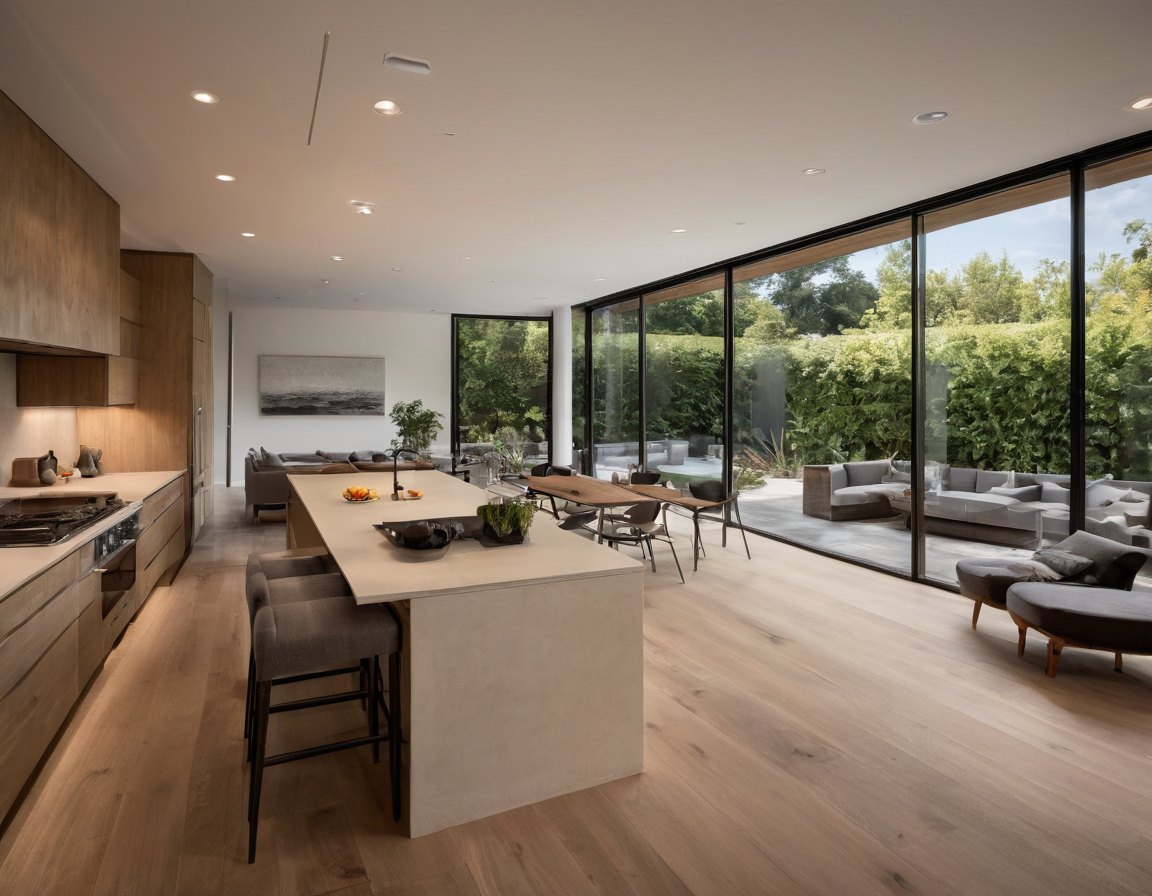
How will a larger connected space affect cooling, heating, and ceiling depth shown as a planning reference for layout, scale, and material decisions.
What should be priced and sequenced before approving interior wall removal?
Interior wall removal should be priced as a coordinated renovation package, not as demolition alone.
The wall-removal estimate should separate investigation, structure, services, and finishes
| Quote category | What to confirm before approval |
|---|---|
| Investigation | Engineer review, exploratory openings, hazardous material checks, and permit drawings. |
| Structure | Temporary shoring, beam or header, posts, bearing points, fasteners, and inspections. |
| Services | Electrical, plumbing, gas, ducts, returns, thermostat moves, and utility coordination. |
| Finishes | Floor patching, ceiling texture, trim, paint, lighting layout, cleanup, and ventilation. |
Contractor allowances should name exclusions. Unknown wiring, unavailable flooring, plaster repair, steel fabrication, and inspection waiting time can change the real price faster than the demolition line item.
The renovation sequence should protect the house before it opens the plan
The sensible order is survey, engineer review, design option, HVAC check, permit, room protection, temporary support, demolition, beam installation, MEP rerouting, inspection, close-up, and finishes.
The homeowner should pause the project when red flags appear
Pause demolition if the house has sagging ceilings, diagonal cracks, uneven floors, water damage, termite damage, unpermitted prior work, outdated wiring, gas lines, or unclear structural members. Approve the wall only after the package is priced, sequenced, and assigned to the right professionals, including selecting the right home builder or renovation professional.
FAQ
Do I need a structural engineer to remove an internal wall?
You need a structural engineer when the wall may carry floor, roof, beam, or stacked loads. If the load path is unclear, get the review before demolition pricing.
Are interior walls ever load-bearing in a single-story house?
Yes. A single-story house can still have roof loads, ceiling loads, bracing conditions, or altered framing that depend on an interior wall.
How can a homeowner tell if an interior wall is load-bearing before asking for pricing?
Check framing direction, attic or basement evidence, walls above or below, and available drawings. Treat the answer as preliminary until a qualified professional confirms it.
Can part of a load-bearing wall be removed without installing a beam?
Sometimes an opening can be framed with an engineered header or beam, but the design still needs bearing, connections, temporary support, and inspection where required.
What problems can appear after removing a non-load-bearing interior wall?
Common problems include exposed services, poor sound control, awkward furniture layouts, mismatched flooring, ceiling patching, lighting revisions, and uneven heating or cooling.